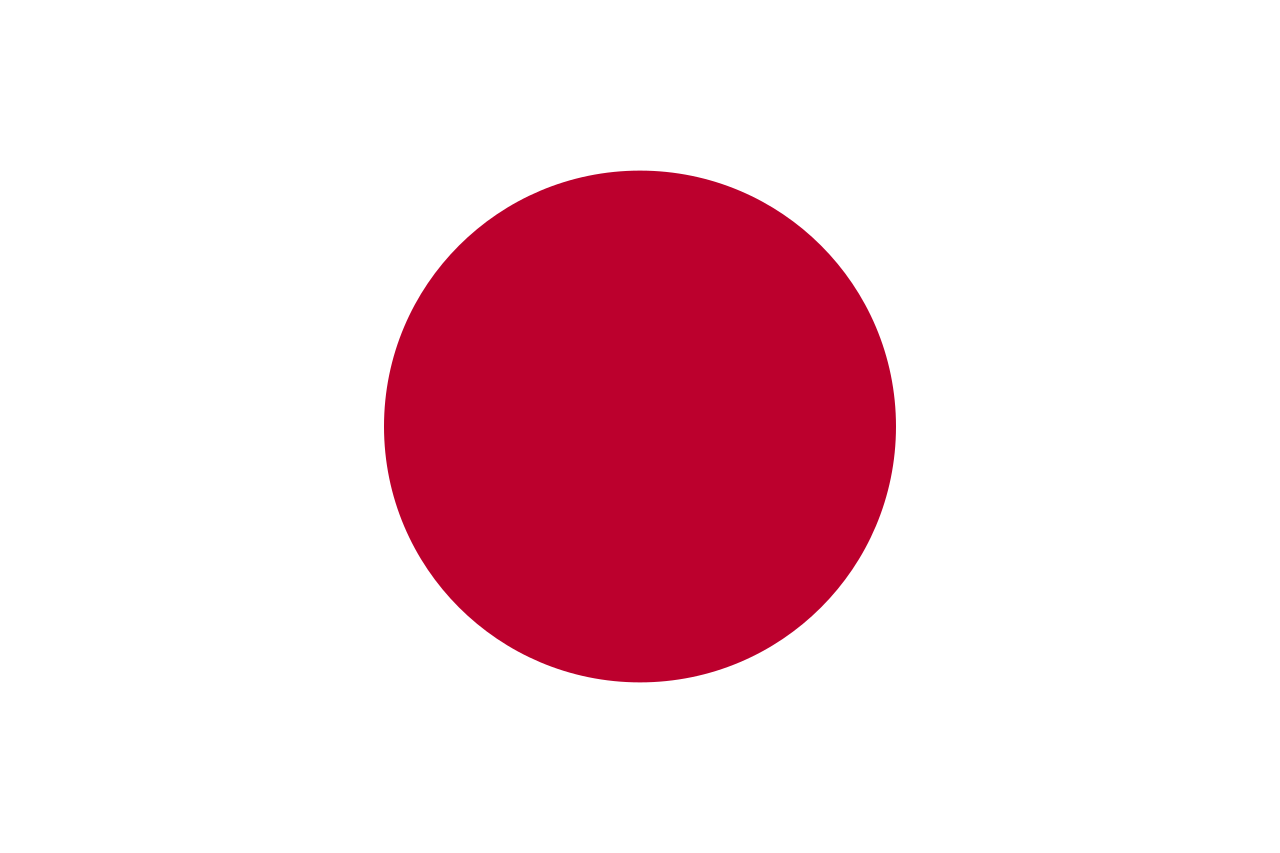
When the First World War began in August 1914, Japan was already an important military power.
Only nine years earlier, Japan had defeated the Russian Empire in the Russo-Japanese War. That victory had shocked the world. For the first time in the modern era, an Asian power had defeated a major European empire in a large-scale modern war.
Japan had also developed a powerful navy, built an empire in East Asia, and established itself as a major international power.
When war broke out in Europe, Japan joined the Allied side.
At first glance, this may seem surprising. Japan had no direct territorial dispute with Germany in Europe and was thousands of miles from the Western Front.
The reason Japan entered the war was its alliance with Britain.
Japan's participation in the First World War was relatively limited in comparison with the European belligerents. Yet the war had important consequences for Japan. It expanded its territory, strengthened its economy, increased its international status, and created new tensions with both China and the Western powers.
The First World War did not directly cause Japan's expansion into China and the Pacific during the 1930s. However, the war and its aftermath helped create the international environment in which later Japanese militarism developed.
Japan Before the First World War
To understand Japan's role in the First World War, it is necessary to understand the dramatic changes that had taken place in the country during the previous half-century.
For centuries, Japan had been ruled by the Tokugawa shogunate.
The country had maintained a relatively restricted relationship with the outside world.
That situation changed dramatically in the nineteenth century.
In 1853, American Commodore Matthew Perry arrived in Japan with a fleet of warships and demanded that Japan open its ports to foreign trade.
Japan was forced to sign treaties with the United States and European powers.
Many Japanese leaders concluded that their country faced a serious danger.
Japan had two choices.
It could remain weak and risk becoming a target for Western imperialism.
Or it could modernize and become powerful enough to defend itself.
The result was the Meiji Restoration of 1868.
Japan underwent a remarkable transformation.
The country rapidly developed:
- Modern industry
- Railways
- A modern army
- A modern navy
- Centralized government
- Western-style education
- Modern communications
Japan's leaders did not simply wish to copy the West.
They wanted Japan to become strong enough to resist Western domination.
However, the transformation had a second consequence.
Japan increasingly adopted the imperialism of the European powers.
The country came to believe that a great power needed:
- Overseas territories
- Military bases
- Natural resources
- Strategic influence
Japan therefore became both a victim of Western imperialism and an imperial power itself.

Japan's Conflicts Before 1914
Japan's position in 1914 was shaped by a series of conflicts.
The First Sino-Japanese War
Japan fought China from 1894 to 1895.
The war was primarily concerned with influence over Korea.
Japan's modern military defeated the Qing dynasty.
The victory demonstrated that Japan had become a major military power.
Japan gained Taiwan and increased its influence in Korea.
The war also revealed the weakness of the Chinese Empire.
The Russo-Japanese War
Japan's next major conflict was with Russia.
The two countries competed for influence in:
- Korea
- Manchuria
- Northern China
The war began in 1904.
Japan achieved a series of important victories on land and sea.
The most famous was the Japanese naval victory at the Battle of Tsushima in 1905.
Japan's victory was historically significant.
A major European power had been defeated by an Asian power.
The result established Japan as a great power.
It also strengthened Japanese influence in Korea.
In 1910, Japan formally annexed Korea.
The Anglo-Japanese Alliance
Japan's relationship with Britain was central to its participation in the First World War.
The Anglo-Japanese Alliance was originally signed in 1902 and renewed in 1905 and 1911.
The alliance had been created partly because Britain and Japan shared concerns about Russian expansion in East Asia.
The agreement reflected Britain's recognition that Japan had become an important power.
The alliance also gave Japan international legitimacy.
Japan was no longer simply an isolated Asian country attempting to modernize.
It was now a formal ally of the British Empire.
This relationship became extremely important in 1914.
Why Did Japan Enter the First World War?
When Britain declared war on Germany in August 1914, Japan was faced with a decision.
The Anglo-Japanese Alliance did not automatically require Japan to enter every war involving Britain.
However, Britain requested Japanese assistance.
There were several reasons why Japan chose to enter the war.
The Alliance with Britain
The most obvious reason was the Anglo-Japanese Alliance.
Japan had an opportunity to demonstrate that it was a reliable ally.
The alliance also gave Japan an opportunity to expand its influence in areas where Germany possessed colonies and naval bases.
German Possessions in East Asia
Germany controlled the important naval base at Tsingtao, or Qingdao, on the Chinese coast.
Germany also possessed several Pacific islands.
These territories were strategically valuable.
Japan had the opportunity to eliminate German power from East Asia and the western Pacific.
Expansion of Japanese Influence
Japan's leaders also saw the war as an opportunity.
If Germany lost its territories in Asia and the Pacific, Japan could potentially acquire them.
This was not simply a war of idealism.
Japan entered the conflict as an Allied power, but it also pursued its own imperial interests.
The Japanese government therefore viewed the war as an opportunity to expand its position in East Asia.
The Siege of Tsingtao
Japan's most important land operation during the First World War was the Siege of Tsingtao.
Tsingtao was a German naval base on the Chinese coast.
It was one of Germany's most important possessions in East Asia.
Japan issued an ultimatum to Germany in August 1914.
When Germany refused to withdraw, Japan declared war.
Japan was joined by Britain, which sent a small force from its Chinese territories.
The Japanese assembled a substantial force.
The siege began in late August 1914.
Japanese forces surrounded the German position.
The operation involved:
- Japanese army units
- Naval forces
- Artillery
- Aircraft
- British troops
The siege was notable because it demonstrated the growing capabilities of the Japanese military.
The Japanese used artillery and aircraft to support the operation.
After weeks of fighting, the German garrison surrendered on November 7, 1914.
Tsingtao was the major Japanese land battle of the First World War.
The victory eliminated Germany's principal naval base in East Asia.
It also allowed Japan to occupy German possessions in the region.
The Pacific Islands
Japan also seized German islands in the Pacific north of the equator.
These included territories in the:
- Caroline Islands
- Marshall Islands
- Mariana Islands
Japan occupied these territories during the early months of the war.
They were strategically important because of their location.
The islands could provide naval bases and support future Japanese operations across the Pacific.
After the war, Japan was eventually granted control over these islands as a League of Nations mandate.
This was one of the most important territorial consequences of Japan's participation in the war.
Japan had expanded its empire considerably without suffering the devastation experienced by the European powers.
The Search for the Emden
Japan also participated in naval operations against German commerce raiders.
One of the most famous German ships of the war was the light cruiser SMS Emden.
The Emden conducted a highly successful commerce-raiding campaign in the Indian Ocean and surrounding waters.
Japanese naval forces participated in the Allied effort to locate and destroy German naval forces in the Pacific and Indian Ocean regions.
The Emden was eventually defeated by the Australian light cruiser HMAS Sydney in November 1914.
Although the battle was primarily an Australian victory, Japanese naval forces had participated in the broader Allied campaign to eliminate German naval power in the region.
Japan and the Battle of the Falkland Islands
Japan's contribution to the Allied naval effort was not limited to East Asia.
The Japanese Navy was a growing blue-water fleet.
Japanese warships participated in patrols and the protection of Allied shipping.
Japan's naval strength was valuable to Britain because it allowed the Royal Navy to concentrate more heavily on the European war.
The Japanese Navy also helped protect sea lanes in the Pacific and Indian Ocean.
This was one of the less visible but important contributions made by Japan during the war.
The Japanese Navy in the Mediterranean
Japan's most significant contribution outside East Asia came later in the war.
In 1917, Germany's unrestricted submarine warfare created a major crisis for the Allies.
German submarines were sinking large numbers of merchant and troop ships.
The Allies desperately needed escort vessels.
Britain requested Japanese assistance.
Japan sent a naval force to the Mediterranean.
The Japanese squadron was based at Malta.
Japanese destroyers escorted Allied troop transports and merchant ships.
Their duties included:
- Convoy escort
- Anti-submarine patrols
- Rescue operations
- Protection of Allied troop movements
The Japanese force eventually escorted hundreds of Allied ships.
According to the U.S. Naval Institute, Japanese warships escorted 788 Allied ships and helped safeguard approximately 700,000 troops traveling to Europe. Japanese forces also participated in numerous engagements with German and Austro-Hungarian submarines.
The Mediterranean deployment was particularly important because it demonstrated that Japan was capable of operating far from its home waters.
The Japanese Navy was no longer simply a regional force.
It was becoming a global naval power.
Japan and the Twenty-One Demands
While Japan was fighting Germany, it was also pursuing its own objectives in China.
In January 1915, Japan presented China with the Twenty-One Demands.
The demands sought to expand Japanese influence in China.
Among other things, Japan wanted:
- Recognition of its position in former German territories in Shandong
- Expanded rights in Manchuria
- Greater economic privileges
- Additional political influence
China resisted the demands.
Japan used pressure to force China to accept many of them.
The Twenty-One Demands caused considerable resentment in China.
This is an important part of the history of Japan in the First World War.
Japan was fighting on the Allied side while simultaneously expanding its own imperial influence.
The war therefore strengthened Japan's position but also increased opposition to Japanese expansion.
Japan and the Siberian Intervention
After the Russian Revolution of 1917, the situation became more complicated.
Russia withdrew from the war.
The Bolshevik government signed a peace treaty with Germany.
The Allied powers became increasingly concerned about the spread of Bolshevism and the possibility that German forces might gain access to Russian resources.
In 1918, the Allies intervened in the Russian Civil War.
Japan participated in the intervention.
Japanese forces were sent to Siberia and the Russian Far East.
Japan eventually deployed a large number of troops.
The Siberian Intervention continued after the First World War had ended.
It was motivated by several concerns:
- Opposition to Bolshevism
- Protection of Japanese interests in the Russian Far East
- The possibility of expanding Japanese influence
- Concern about instability near Japanese territory
The intervention was ultimately unsuccessful.
Japan withdrew its forces from most of Siberia by 1922.
However, the experience was important.
It contributed to the Japanese military's growing interest in continental Asia.
Japan's Economic Experience of the War
The First World War had a major economic impact on Japan.
Unlike the European powers, Japan did not experience the destruction of its industrial heartland.
Instead, Japanese industry benefited from the war.
European factories were increasingly devoted to military production.
European exports declined.
Japan was able to expand its own manufacturing and export industries.
Japanese companies supplied goods to Asian and international markets.
The war therefore helped produce an economic boom.
Japanese industries expanded in areas such as:
- Shipping
- Textiles
- Manufacturing
- Chemicals
- Machinery
The war accelerated Japan's industrial development.
However, the postwar economic situation became more complicated.
The wartime boom was followed by economic problems.
The 1920-1921 recession created difficulties for Japanese businesses.
The economic instability contributed to later political tensions.
The war had therefore created both opportunities and problems.
Japan at the Paris Peace Conference
Japan was one of the victorious Allied powers.
When the Paris Peace Conference began in 1919, Japan was recognized as one of the major powers.
Japan's delegation was led by prominent political figures, including Saionji Kinmochi and Makino Nobuaki.
Japan had several major objectives.
It wanted recognition of its territorial gains.
It wanted to retain the former German territories in the Pacific north of the equator.
It also wanted Germany's former rights in Shandong recognized.
The Japanese government also sought international recognition of Japan's status as a great power.
The National Diet Library records that Japan's demands included the former German Pacific islands north of the equator, German rights in Shandong, and an anti-racial-discrimination provision in the League of Nations Covenant.
Japan's participation in the peace conference was historically significant.
For the first time, an Asian power was sitting at the center of the international system created by the victorious Western powers.
Japan had achieved a position that would have been almost unimaginable to Japanese leaders in the middle of the nineteenth century.
The Racial Equality Proposal
One of the most important episodes involving Japan at the Paris Peace Conference was its proposal for a racial equality clause in the Covenant of the League of Nations.
The Japanese delegation proposed language affirming the principle of equality among the peoples of the League's member states.
The proposal was important for several reasons.
Japan was formally recognized as a great power.
However, Japanese people continued to face discrimination in Western countries.
Japanese immigration was restricted in places such as the United States and Australia.
The proposal therefore had both ideological and practical significance.
It also represented a demand for Japan to be treated as an equal by the Western powers.
The proposal received majority support in the relevant committee, but it was not adopted because of opposition to the requirement for unanimity in the final decision. The reasons for the proposal included questions of Japanese great-power status, immigration discrimination, domestic politics, and Japan's broader relationship with the Western international system.
The rejection was deeply disappointing to many Japanese.
It became part of a larger perception that the Western powers were willing to recognize Japan as a great power when they needed Japanese cooperation but were unwilling to treat Japan as a genuine equal.
It is important not to exaggerate this episode.
The rejection of the racial equality proposal did not automatically cause Japanese militarism.
The road to the Second World War was shaped by many factors, including:
- Japanese imperialism
- Economic crisis
- Military influence in politics
- The invasion of Manchuria
- The Sino-Japanese War
- Relations with the United States
- Nationalism
- Ideologies of racial and cultural superiority
Nevertheless, the episode became one of several grievances that influenced Japanese attitudes toward the Western-led international order.
The Treaty of Versailles and Japan's Gains
Japan achieved several important objectives after the war.
The former German islands north of the equator were assigned to Japan as a League of Nations mandate.
These islands included territories that later became strategically important in the Pacific.
Japan also gained control of Germany's former rights in Shandong, although this issue caused significant controversy.
China had expected the territories to be returned to Chinese control.
Instead, the settlement transferred German rights to Japan.
The decision contributed to the May Fourth Movement in China in 1919.
The Shandong issue therefore had consequences far beyond Japan's relations with the Western powers.
It contributed to the growth of Chinese nationalism and anti-imperialism.
The Armistice and Its Consequences
The armistice of November 11, 1918, ended the fighting between Germany and the Allies.
Japan emerged from the war in a very different position from the one it had occupied in 1914.
It had:
- Expanded its territory
- Strengthened its economy
- Increased its international status
- Demonstrated its naval capabilities
- Eliminated German influence from much of East Asia and the Pacific
Japan had also become a permanent member of the international great-power system.
The postwar settlement created new opportunities.
It also created new frustrations.
Japan had gained territory, but it believed it had not received complete recognition as an equal of the Western powers.
Japan had participated in the Allied victory, but the United States and Britain remained concerned about Japanese expansion.
The postwar international system therefore contained tensions that would grow during the following decades.
Did the First World War Lead to the Second World War in the Pacific?
The answer is complicated.
The First World War did not make a Japanese war with the United States inevitable.
Nor did it directly create the military regime that dominated Japan in the 1930s.
However, several developments connected the two world wars.
Japan's Expansion Was Rewarded
Japan's participation in the First World War helped it gain former German territories.
This reinforced the idea that military expansion could produce diplomatic and territorial rewards.
The same logic would later be applied to:
- Manchuria
- China
- Southeast Asia
- The Pacific
The First World War did not create Japanese imperialism.
Japan was already an imperial power before 1914.
But the war rewarded expansion and strengthened Japan's position.
Japan Became More Confident
Japan entered the First World War as a rising power.
It emerged as one of the leading states in the international system.
This increased Japanese confidence.
It also increased Japanese expectations.
Japan increasingly believed that it deserved a sphere of influence in East Asia comparable to the empires of Britain, France, and the United States.
Tensions with China Increased
The Twenty-One Demands and the Shandong settlement contributed to Chinese resentment.
Japan's influence in China expanded.
Chinese nationalism also grew.
The relationship between Japan and China became increasingly hostile.
This was one of the most important developments leading toward the Sino-Japanese War of 1937.
Japan's Relationship with the West Became More Complicated
Japan had cooperated with Britain during the First World War.
But the postwar years brought increasing tension with the United States and Britain.
The Washington Naval Conference of 1921-1922 established limits on naval armaments and attempted to stabilize relations in the Pacific.
The famous naval ratio gave Japan 60 percent of the capital-ship tonnage assigned to the United States and Britain.
The treaty did not by itself cause the Second World War.
However, some Japanese naval officers and nationalists regarded the agreement as evidence that Japan was being denied equality with the Western powers.
The United States Office of the Historian describes the Washington Conference as an attempt to address naval competition and tensions in East Asia after the First World War.
The conference also established a broader diplomatic framework for the Pacific.
The postwar system initially encouraged cooperation.
Over time, however, it became increasingly controversial within Japan.
The Military Gained Influence
The First World War strengthened the prestige of the military.
Japan's armed forces had helped expand the empire.
The army had played a major role in Siberia and China.
The navy had demonstrated its global capabilities.
The military therefore had considerable political influence.
During the 1930s, military leaders increasingly challenged civilian governments.
The political system became more authoritarian and expansionist.
The experiences of the First World War were part of the background to this development.
The First World War and Japanese Naval Strategy
The First World War also influenced Japanese thinking about naval warfare.
The Japanese Navy had observed the importance of:
- Submarines
- Convoys
- Naval aviation
- Long-range operations
- Logistics
Japan's Mediterranean deployment provided valuable operational experience.
Japanese naval officers had participated in anti-submarine operations and convoy escort.
The war also demonstrated the importance of industrial capacity.
A modern war required:
- Fuel
- Steel
- Shipyards
- Merchant shipping
- Communications
- Industrial production
Japan's later naval strategy against the United States would be shaped partly by the recognition that Japan could not easily match American industrial capacity in a prolonged war.
The Japanese response was to seek technological and operational advantages.
This contributed to the development of:
- Carrier aviation
- Long-range aircraft
- Torpedoes
- Night fighting
- Decisive-battle strategies
These developments would become important during the Second World War.
A More Complicated Relationship with Britain
The Anglo-Japanese Alliance had been one of the main reasons Japan entered the First World War.
The alliance had been a major diplomatic success for Japan.
However, it eventually ended.
Britain became increasingly concerned about its relationship with the United States.
The United States opposed the continuation of an Anglo-Japanese military alliance.
The alliance was replaced by the Four-Power Treaty at the Washington Conference.
This was a major diplomatic change.
Japan had once been Britain's ally.
By the 1930s, Britain and Japan were increasingly strategic rivals in East Asia.
The First World War therefore marked both the high point of Anglo-Japanese cooperation and the beginning of a postwar system in which the two countries would gradually move apart.
Japan's First World War Experience in Historical Perspective
Japan's participation in the First World War was unusual.
The war was fought primarily in Europe.
Japan's major battlefield was in East Asia and the Pacific.
Its most important contribution to the Allied war effort was naval.
Japan did not suffer the enormous casualties and destruction experienced by France, Germany, Russia, or Austria-Hungary.
Instead, Japan emerged stronger.
This was one of the reasons the consequences of the war were so different in Japan.
For many European countries, the First World War represented national catastrophe.
For Japan, it was an opportunity.
Japan gained territory.
Its industries expanded.
Its international status increased.
Its military gained experience.
Its empire grew.
However, the same developments that strengthened Japan also helped create new problems.
Japanese expansion increased conflict with China.
The growth of Japanese power alarmed the United States and other Western powers.
The rejection of the racial equality proposal contributed to Japanese resentment.
The postwar naval treaties created disputes over national status and military strategy.
The political and economic instability of the 1920s and 1930s helped radicalize Japanese politics.
Conclusion
Japan played a significant, though often overlooked, role in the First World War.
Its involvement was shaped by the dramatic transformation of Japan during the late nineteenth and early twentieth centuries.
Japan had modernized in response to the threat of Western imperialism.
It had defeated China and Russia.
It had built an empire and become a major naval power.
The Anglo-Japanese Alliance brought Japan into the First World War on the Allied side.
Japanese forces captured the German base at Tsingtao and occupied German territories in the Pacific.
The Japanese Navy also participated in the wider Allied war effort, including important convoy and anti-submarine operations in the Mediterranean.
Japan's wartime experience was therefore much broader than its best-known battle against Germany at Tsingtao.
The war brought Japan major benefits.
It expanded Japanese territory and influence.
It strengthened the economy.
It established Japan as one of the world's great powers.
At the Paris Peace Conference, Japan sat among the victorious powers and attempted to secure recognition of the principle of racial equality.
The rejection of that proposal became one of several grievances that shaped Japanese perceptions of the Western international order.
The First World War did not directly cause Japan's expansionist wars of the 1930s and 1940s.
However, it helped create the conditions in which those conflicts developed.
Japan emerged from the war more powerful, more confident, and more deeply committed to its imperial ambitions.
The war also produced tensions with China, the United States, Britain, and the international system created at Versailles.
In that sense, the First World War was a turning point in Japanese history.
Japan entered the war as a rising regional power.
It emerged as a global great power.
The challenge of the following decades was whether Japan could use that new power within the international system—or whether it would attempt to create an empire of its own.
By the 1930s, the second path had increasingly become dominant.

No comments:
Post a Comment